Types of Sludge We Can Help With
Sludge varies widely in consistency, odour, solids content and contamination. The table below sets out common types and the practical points that affect removal.
More detail on the differences between materials is set out in types of sludge.
Vacuum tankers and dangerous goods transport
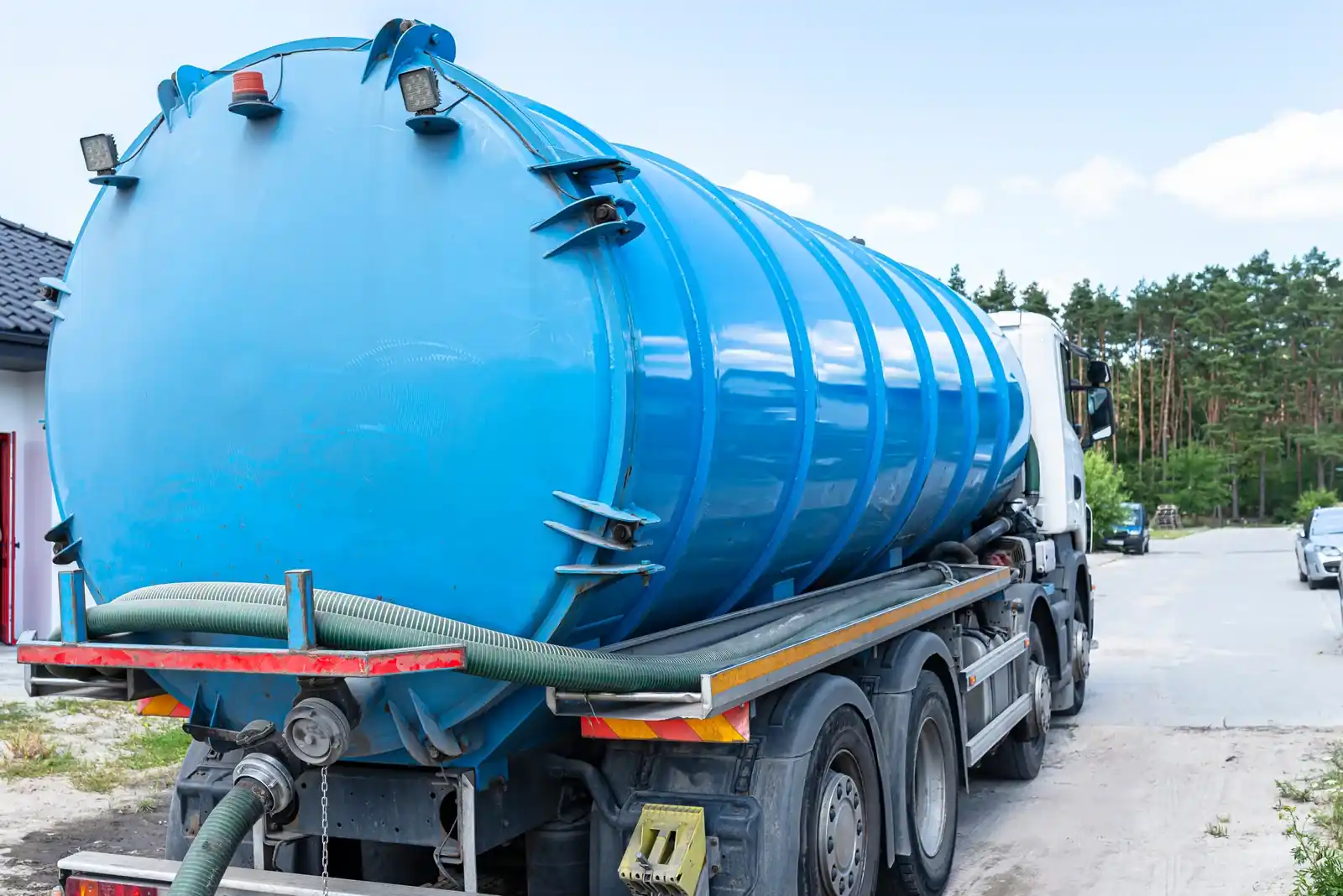
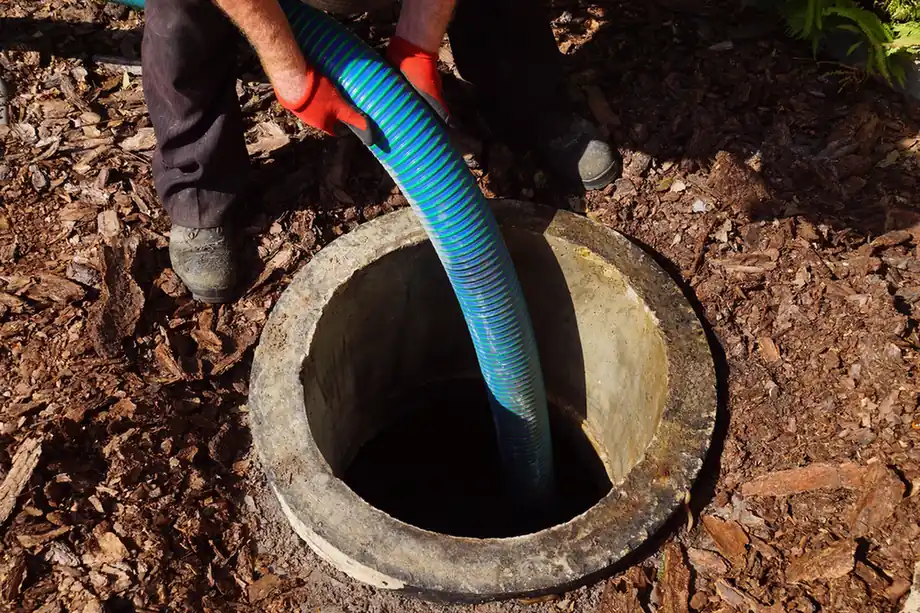
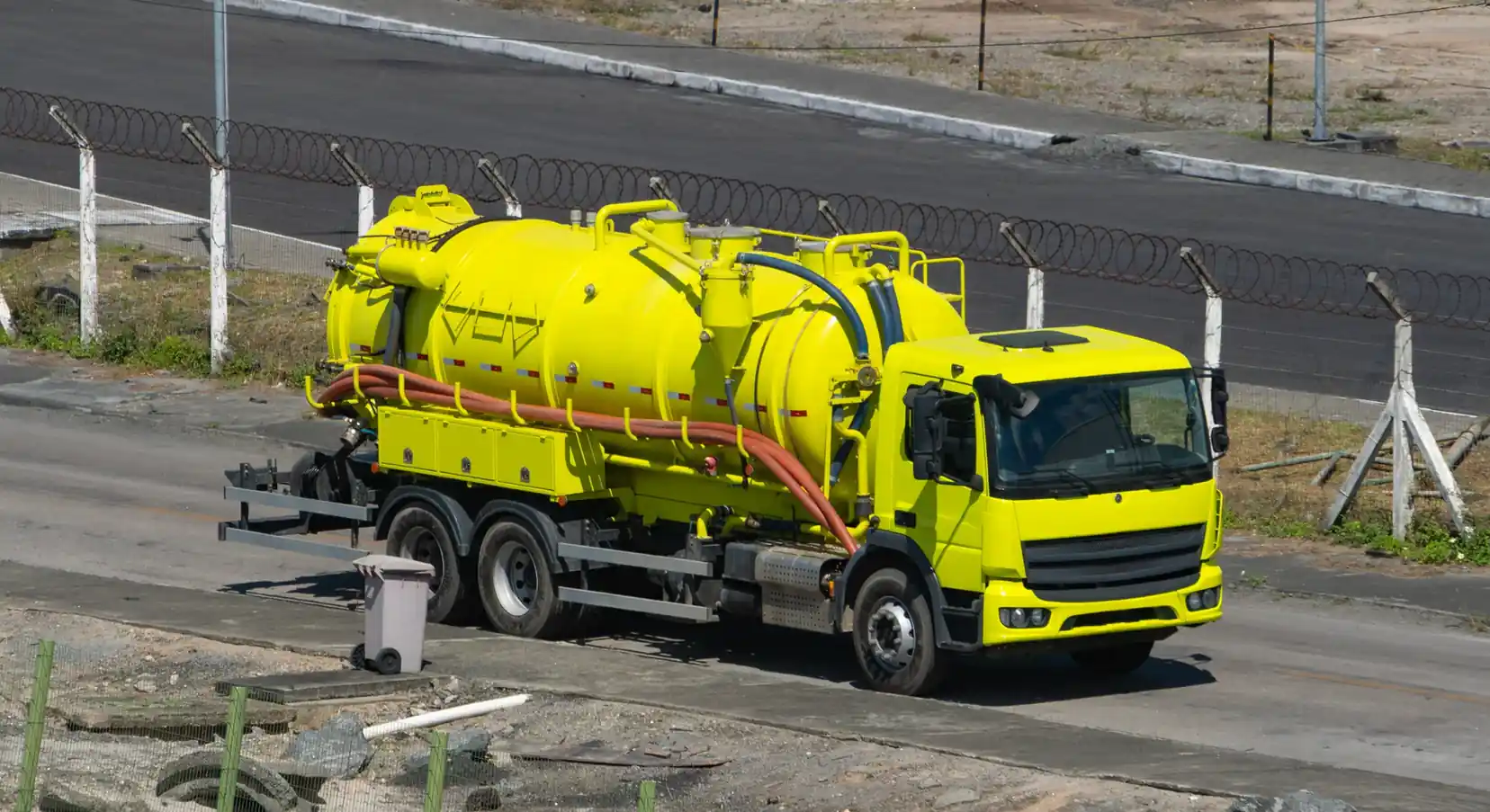
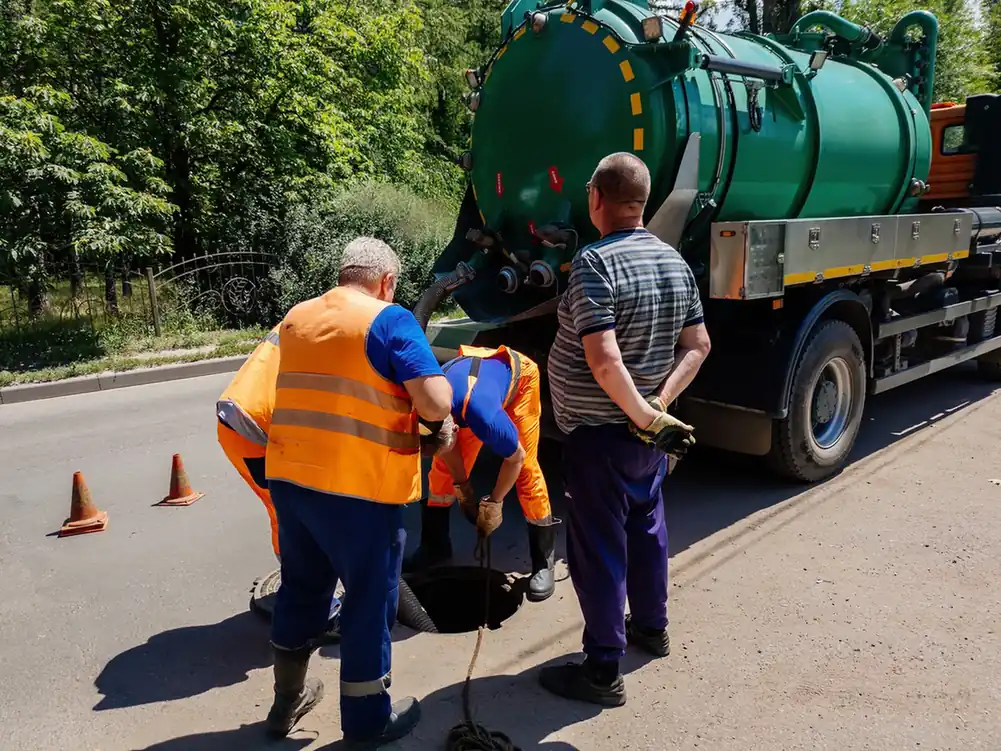
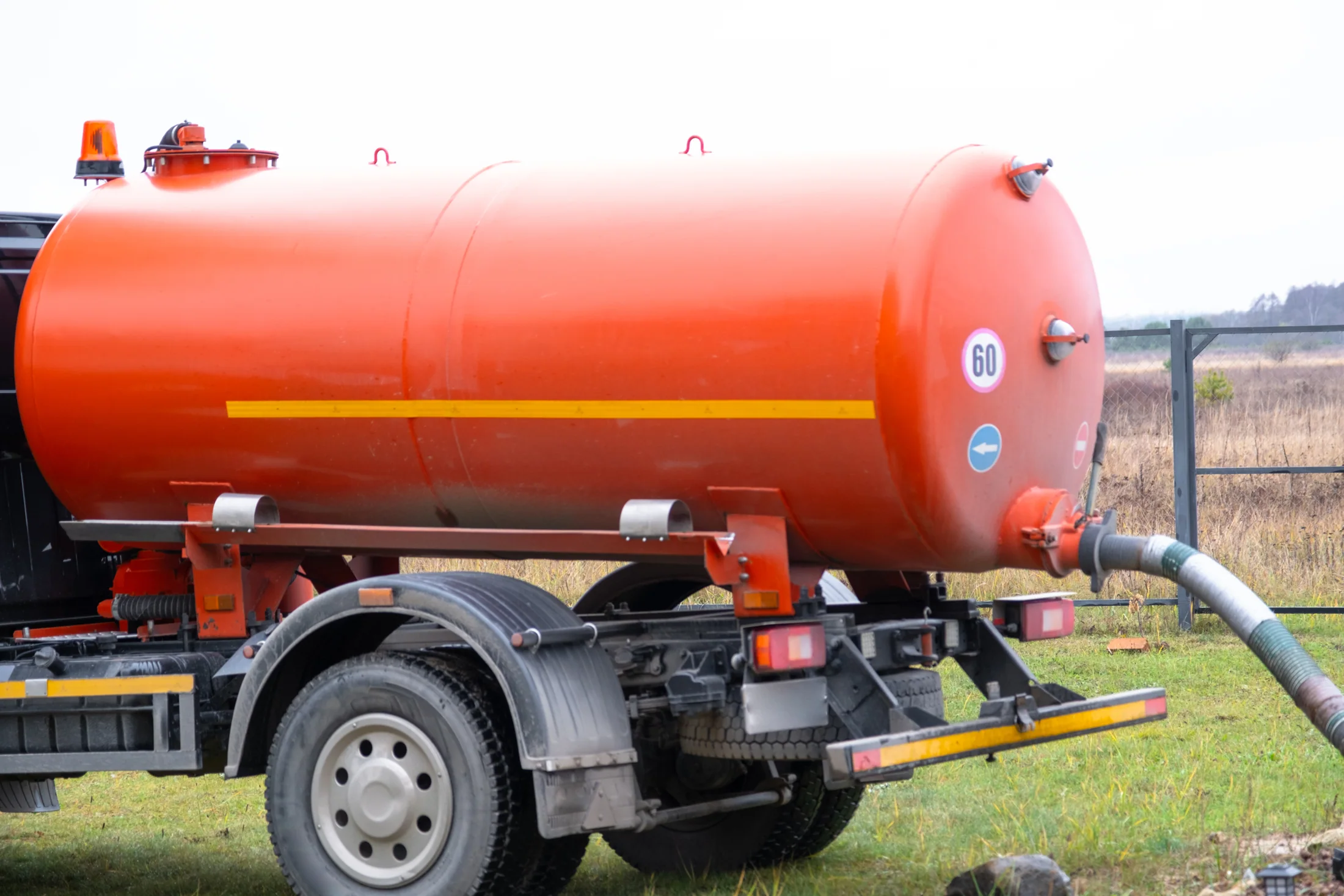
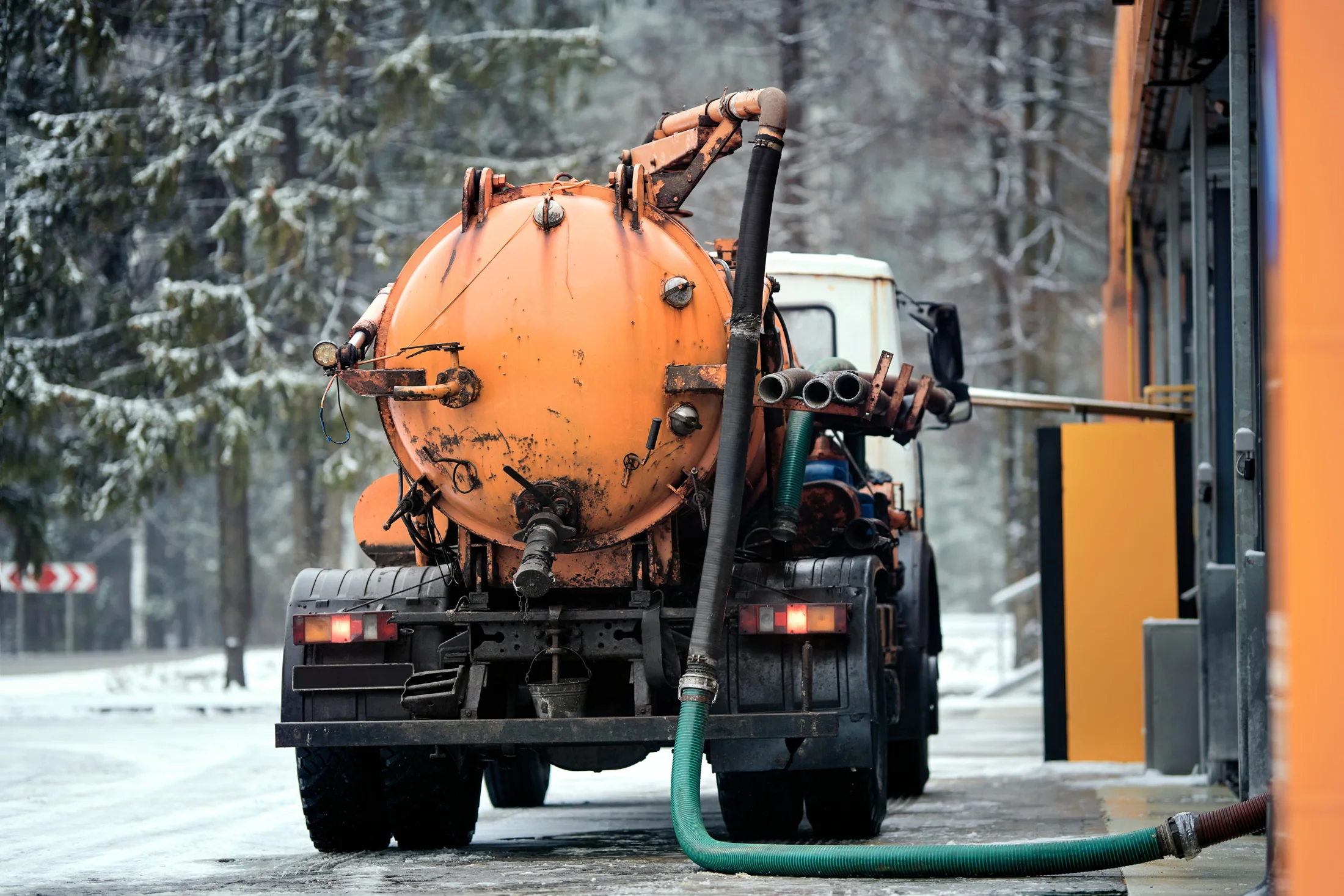
Vacuum tankers can remove liquid and semi-liquid sludge through a hose into a tank. They may suit accessible tanks, pits and interceptors where the material can be pumped. If the material is classified as dangerous goods for transport, ADR requirements may also apply. Hazardous waste classification and ADR transport classification are separate assessments. Hose runs, lift height and the distance from the tanker to the sludge all affect what is practical.
Pumping and dredging
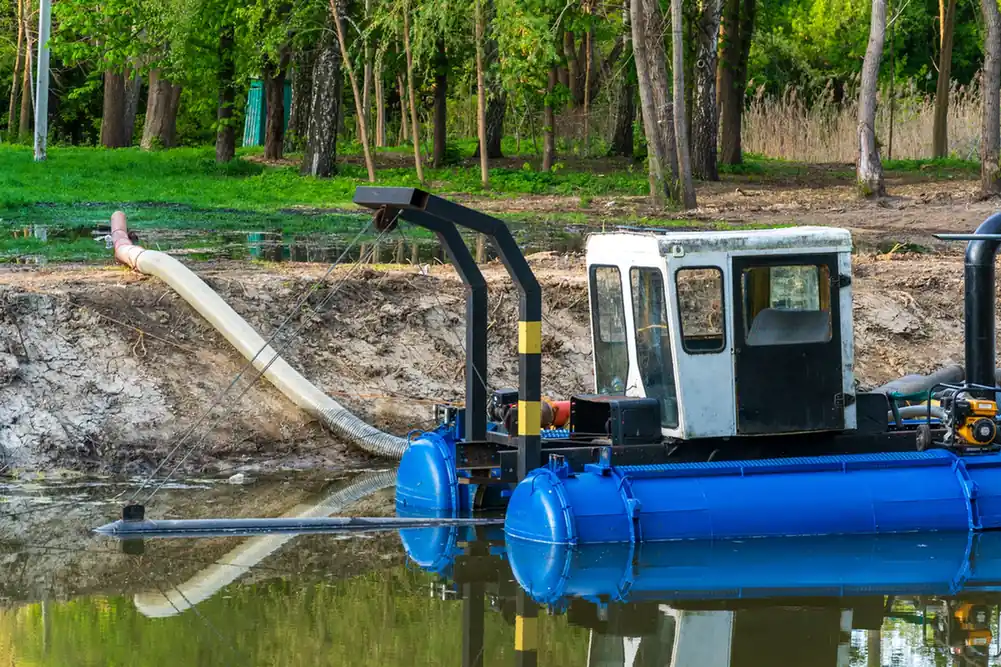
Where sludge cannot be removed effectively by vacuum tanker, other pumping methods or dredging may be considered. Dredging may be used for lagoons and ponds where the material, depth and access make it suitable. The appropriate method depends on the site, solids content, access and water level.
Mobile dewatering
Dewatering separates liquid from solids and can reduce the volume requiring onward transport or treatment. It can take place on site using mobile equipment or at a treatment facility. The separated liquid still needs an appropriate route, and the resulting outputs must be assessed and described correctly rather than assuming the original waste classification automatically applies. More detail is available on sludge dewatering.